The cheapest US–Korea fare can add a separate ticket, overnight connection and airport transfer you did not price. Compare the operating airline, full airport codes, connection protection, baggage and hotel arrival time. A stronger nonstop or one-ticket connection often beats a fragile bargain.
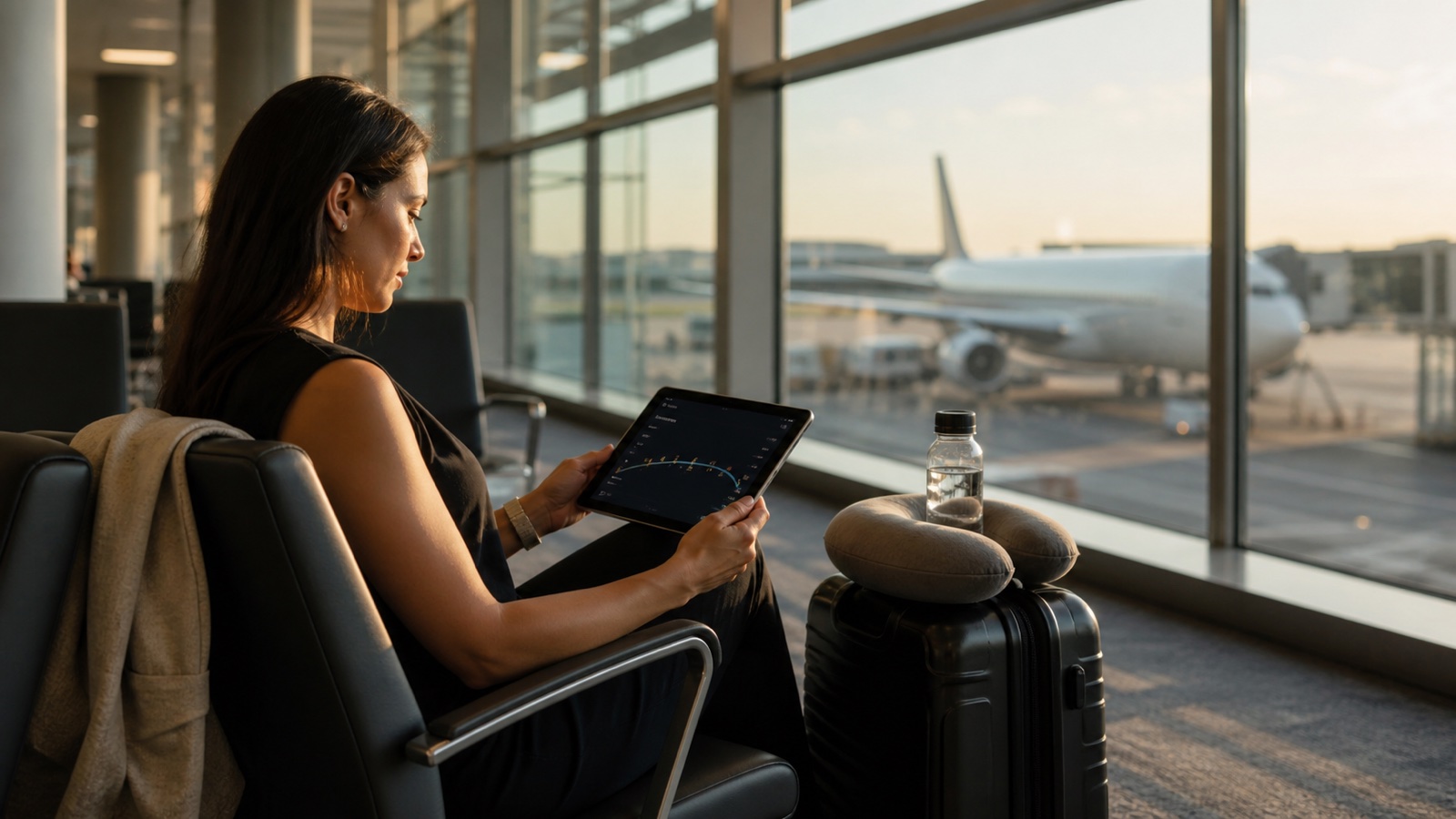
Best starting decision: Prefer a nonstop to ICN or one protected ticket when the difference is reasonable; use a self-transfer only when the savings justify the recovery risk.
- Most long-haul Seoul arrivals use ICN.
- Read the operating airline on every codeshare.
- Price seat, bag and ground transport before comparing totals.
Make the decision in 60 seconds
| Your situation | Best move | Check before paying |
|---|---|---|
| Nonstop available from your region | Compare nonstop total first | Schedule, baggage and arrival time |
| Domestic positioning flight required | Keep it on one ticket when possible | Minimum connection and bag transfer |
| Separate tickets save money | Add an overnight or large buffer | Missed-flight and recheck risk |
Start with airport codes and the operating airline
Search from the airports you can realistically reach, including the time and cost of a domestic positioning flight. Korea results may show ICN, GMP or a regional airport, while the departure may shift between airports in a metro area. Read every code before comparing.
A codeshare seller and operating airline can have different check-in desks, baggage rules and terminal information. Incheon Airport tells passengers to confirm the actual terminal through the e-ticket or flight search. Save the operator, flight number and terminal rather than relying on a brand logo.
Compare nonstop, protected connection and self-transfer
A nonstop reduces missed-connection exposure and baggage handling, but its schedule or departure city may add a long domestic journey. A protected one-ticket connection can be a strong compromise because the airline has defined rebooking responsibilities after a covered delay.
A self-transfer means separate contracts. The traveler may need to enter a country, collect baggage, change terminals and check in again. Price a hotel and replacement-flight risk. Do not build a short self-transfer from a search engine’s minimum estimate.
Add bags, seats and arrival transport to the fare
Compare the fare family, checked baggage, cabin baggage, seat choice, changes and refunds. A low base fare can exceed a full-service option after one bag and seat. Check battery, medication and sports-equipment rules with the operating airline.
Then add Korea ground transport. A late ICN arrival can miss normal rail or bus options, while a daytime arrival may use AREX, airport bus or taxi. The late-night Incheon guide and airport-to-Seoul comparison turn the landing time into a real hotel arrival.
Protect the first and final day
Do not schedule a palace ticket, intercity train or concert close to long-haul arrival. Immigration, baggage and traffic are variable, and jet lag changes the useful day. Keep the first stay easy to reach and the first evening local.
On departure, calculate hotel checkout to airport terminal, not just train duration. Confirm terminal again, arrive within the operating airline’s guidance and protect extra time during holidays, severe weather or large events.
Build the itinerary around the arrival day
A transpacific flight changes both clock time and calendar date. Copy the local departure and Korea arrival dates into one itinerary, then check the hotel reservation begins on the actual Korea date. Keep the arrival evening light: airport processing, connectivity, transport, food and sleep. A prepaid attraction immediately after landing is vulnerable to delay and jet lag even when the schedule looks possible.
For the return, confirm the US entry airport, connection process and baggage instructions with the airlines and authorities responsible for the route. A connection that looks comfortable in one time zone can become tight after terminal movement and border procedures. Save both airlines’ contacts, ticket rules and operating flight numbers offline before leaving home.
Your final booking checklist
- Compare nearby US departure airports.
- Read ICN, GMP or PUS code.
- Identify operating airline.
- Check one-ticket connection protection.
- Price baggage and seats.
- Check terminal and arrival time.
- Add Korea ground transport.
- Protect first-night check-in.
- Avoid arrival-day timed tickets.
- Confirm departure terminal.
- Store the itinerary offline.
Mistakes that cost time or money
- Comparing base fares with different bags.
- Treating a self-transfer as protected.
- Booking a Seoul train before clearing a long-haul arrival.
- Ignoring the domestic positioning cost in the US.
Turn this guide into a real plan
Create one total for each candidate: home-to-airport, airfare extras, connection burden, Korea airport-to-hotel and arrival-night accommodation. Put a risk note beside any separate ticket.
After booking, complete the Korea entry checklist and save the airport guide. A good fare is complete only when the first hotel is reachable.
Frequently asked questions
What airport do US flights use for Seoul?
Most long-haul services use Incheon International Airport, ICN. Always read the actual airport and terminal on the ticket.
Is a nonstop worth paying more?
Often when it removes a positioning flight, fragile connection or overnight. Compare total time and recovery risk, not only airfare.
Can I connect to Busan on arrival?
Yes, but compare a protected flight, rail from Seoul-area airports and a separate domestic ticket with realistic immigration and baggage time.
Official sources
- Incheon Airport flight information
- Incheon Airport arrival procedures
- Korea entry requirements sources
Continue planning
Last verified August 24, 2026. Entry rules, fares, schedules, weather, insurance terms and operator policies can change. Recheck the linked official source before booking.